Timeline & Process
What Is a Self-Uniting Marriage License in Pennsylvania?
By The Hoppenville Team · 8-minute read · Last updated July 11, 2026
A self-uniting marriage license is a Pennsylvania license that lets a couple marry each other with no officiant, minister, or judge. The two of you solemnize your own marriage, two witnesses sign the certificate, and the marriage is fully legal across Pennsylvania. The tradition traces back to the state's Quaker roots, and only a handful of states offer it.
For couples marrying at a venue, this is worth knowing. A self-uniting license means no officiant is required, so you are free to marry anywhere, including out under the orchard on the estate. Here is how it works, and the one piece of legal history every couple should know before they apply.
How a self-uniting marriage works
With a self-uniting license there is no third party pronouncing you married. You exchange your vows, you and your two witnesses sign the marriage certificate, and the certificate goes back to the county that issued the license for recording. Pennsylvania sets this out in its marriage law at 23 Pa.C.S. sections 1502 to 1504.
Traditional license versus self-uniting license
| Feature | Traditional license | Self-uniting license |
|---|---|---|
| Officiant required | Yes | No |
| Who solemnizes the marriage | An officiant | The couple |
| Witnesses | Signed by witnesses | Two witnesses required |
| Where it is valid | Anywhere in Pennsylvania | Anywhere in Pennsylvania |
| Typical use | Ceremony with a celebrant | Marrying yourselves |
Both are equally legal. The difference is simply whether someone else pronounces you married or you do it yourselves.
Do you need witnesses?
Yes. A self-uniting marriage in Pennsylvania must be witnessed. Two witnesses sign the certificate along with the two of you. Pick people who will be at the ceremony and are willing to sign.
Do you have to be Quaker to get one?
No, and this is the part worth knowing. The self-uniting license began with religious groups like the Quakers, and years ago some county offices would only issue one to members of those faiths. That practice was challenged. In the 2007 case Knelly v. Wagner, brought by the ACLU of Pennsylvania after a couple in Allegheny County was refused a self-uniting license over their religion, a federal judge ordered the license issued and made clear these licenses go to couples regardless of religious affiliation. You do not have to state a religion, or belong to one, to get a self-uniting license in Pennsylvania today.
Common self-uniting problems, and how to avoid them
- Being asked about your religion. You are not required to be Quaker or to name a faith. If a clerk pushes back, the Knelly ruling settled this: the license is issued regardless of religion.
- Forgetting the witnesses. The marriage needs two witnesses to sign. Line them up in advance.
- Missing the recording step. After the ceremony, the signed certificate must go back to the issuing county so the marriage is on record. Do not skip it.
- Assuming it works out of state. Like any Pennsylvania license, a self-uniting license is only valid in Pennsylvania.
Where to get a self-uniting license in Montgomery County
You request a self-uniting license from the same office that issues any marriage license: the Register of Wills at the Montgomery County Courthouse. Tell them you want the self-uniting option when you apply. For the general steps and what to bring, see our Montgomery County marriage license guide.
A self-uniting ceremony at the estate
Because a self-uniting license needs no officiant, you can marry yourselves anywhere on the grounds: in the orchard, on the porch of the Cottage, or in the Bank Barn. It is a natural fit for an elopement or a very small wedding. See our elopement venue, stay the weekend in the Cottage, or schedule a tour to walk the grounds.
Frequently asked questions
What is a self-uniting marriage license?
It is a Pennsylvania license that lets a couple marry each other with no officiant. The couple solemnizes their own marriage and two witnesses sign the certificate.
Do you have to be Quaker to get a self-uniting license in PA?
No. A 2007 federal court ruling established that Pennsylvania counties issue self-uniting licenses regardless of religion. You do not have to belong to any faith.
How many witnesses does a self-uniting marriage need?
Two. Both witnesses sign the marriage certificate along with the couple.
Is a self-uniting marriage legally valid?
Yes. A self-uniting marriage is fully legal anywhere in Pennsylvania, the same as a marriage performed by an officiant.
Where do you get a self-uniting license in Montgomery County?
From the Register of Wills at the Montgomery County Courthouse in Norristown. Ask for the self-uniting option when you apply.
Can you have a self-uniting ceremony at a wedding venue?
Yes. Because no officiant is required, you can marry yourselves anywhere, including on the estate grounds.
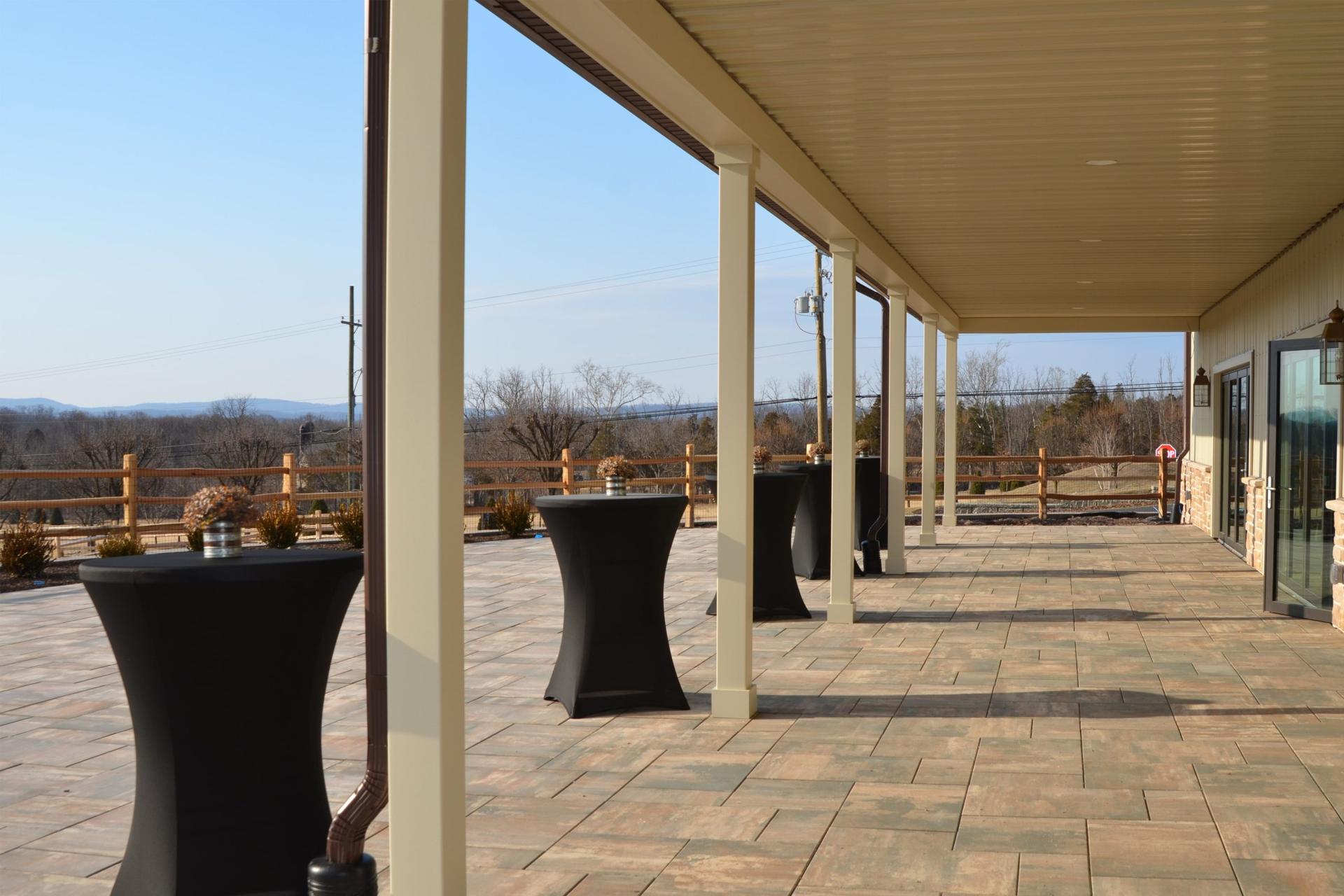
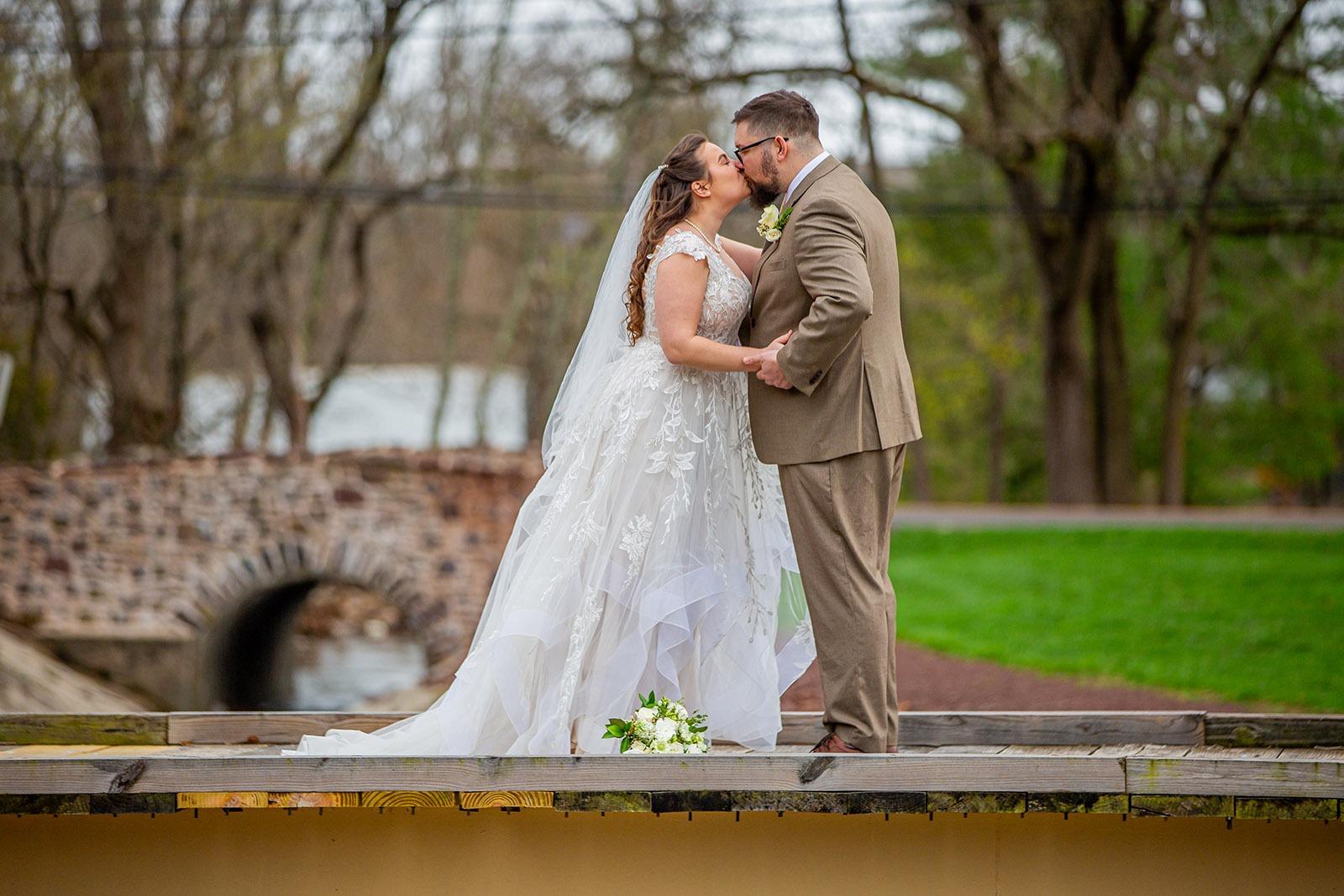
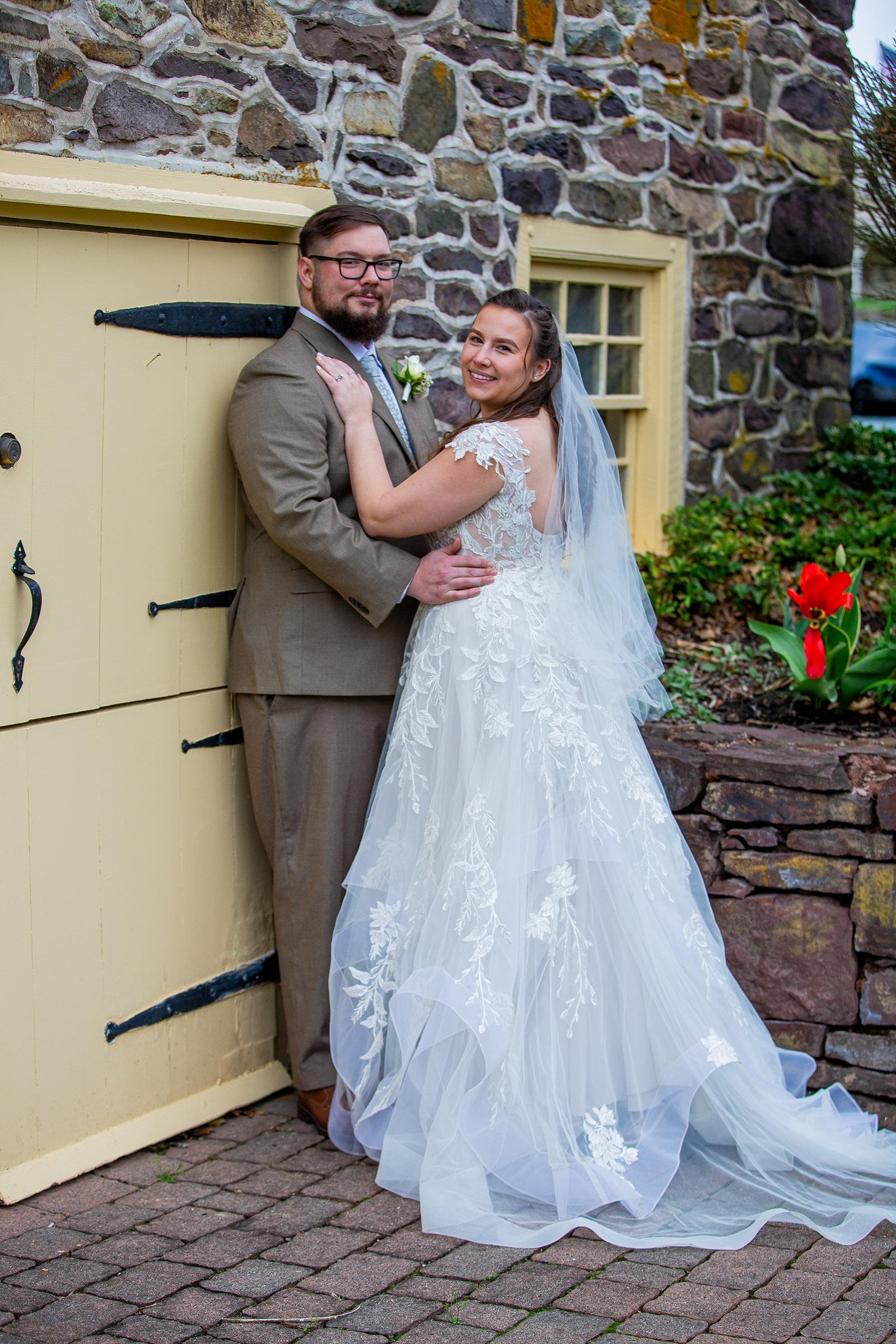
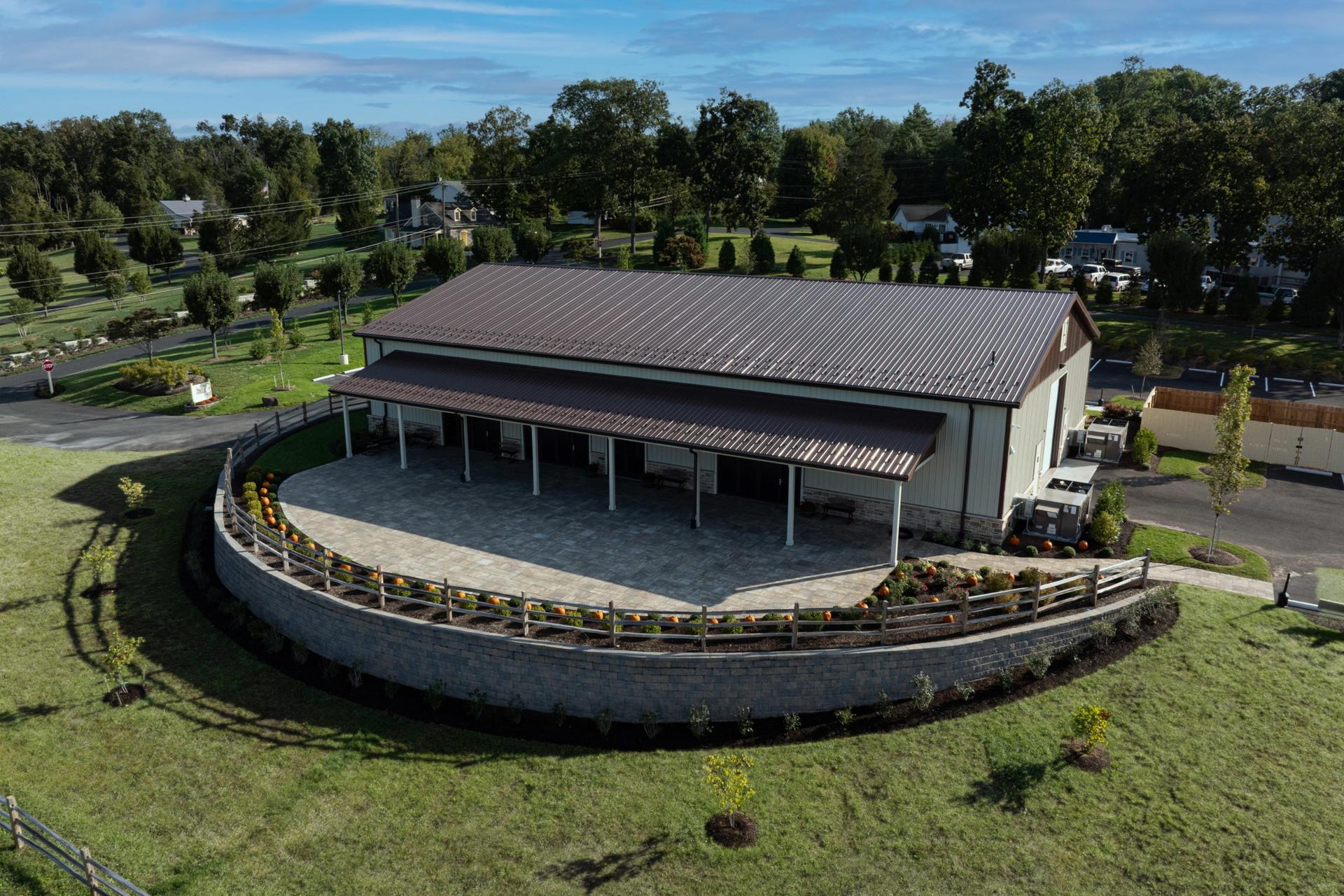
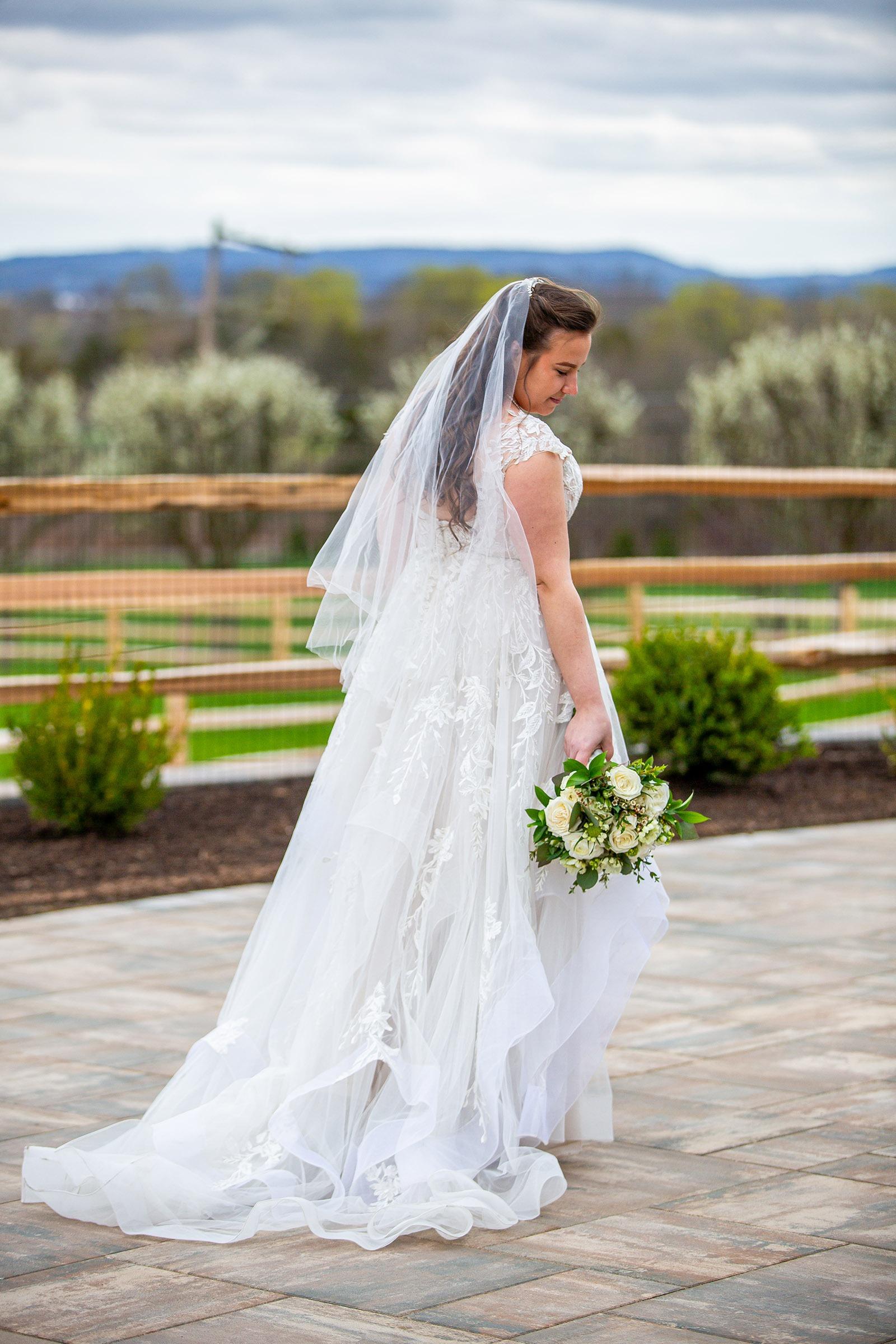
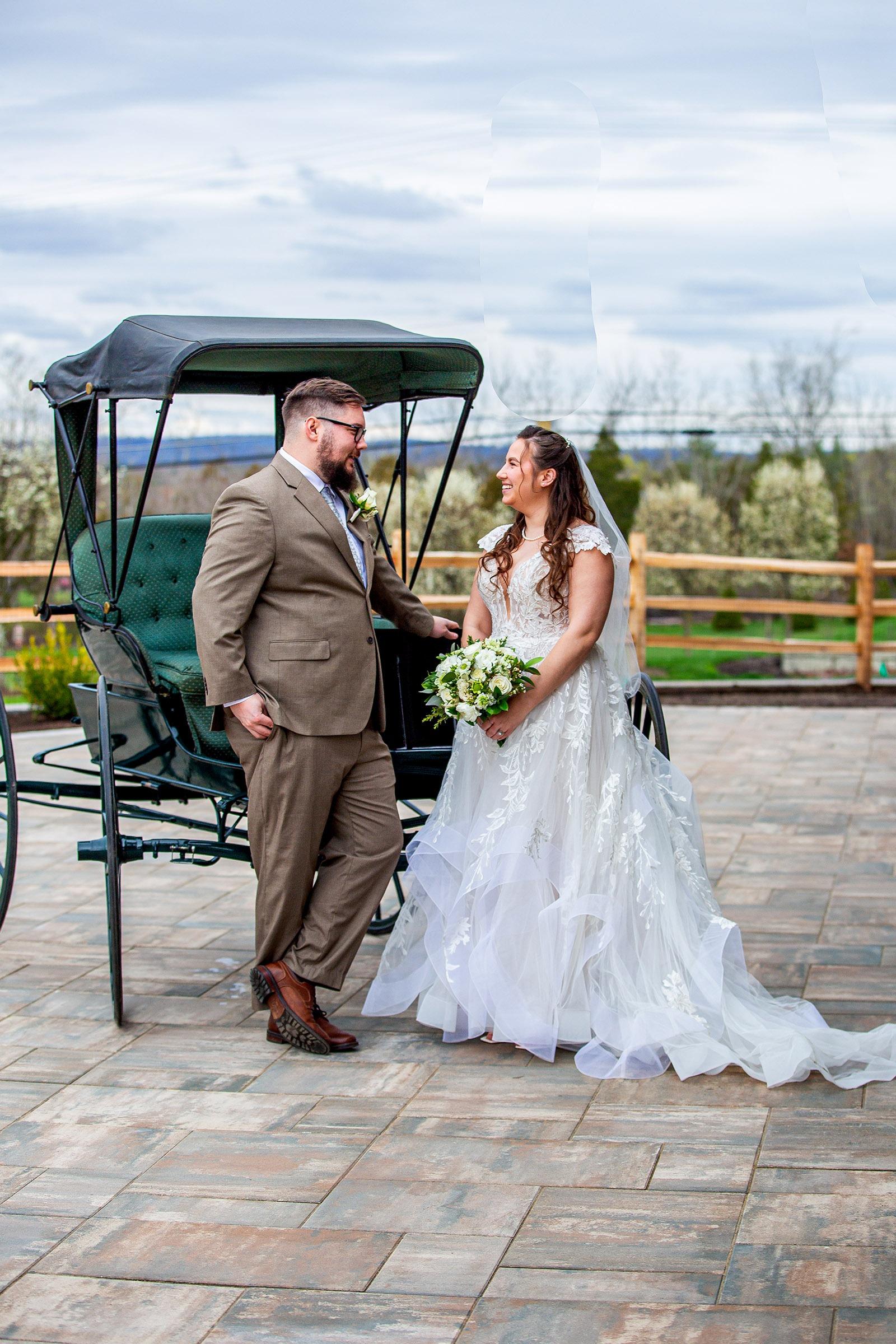
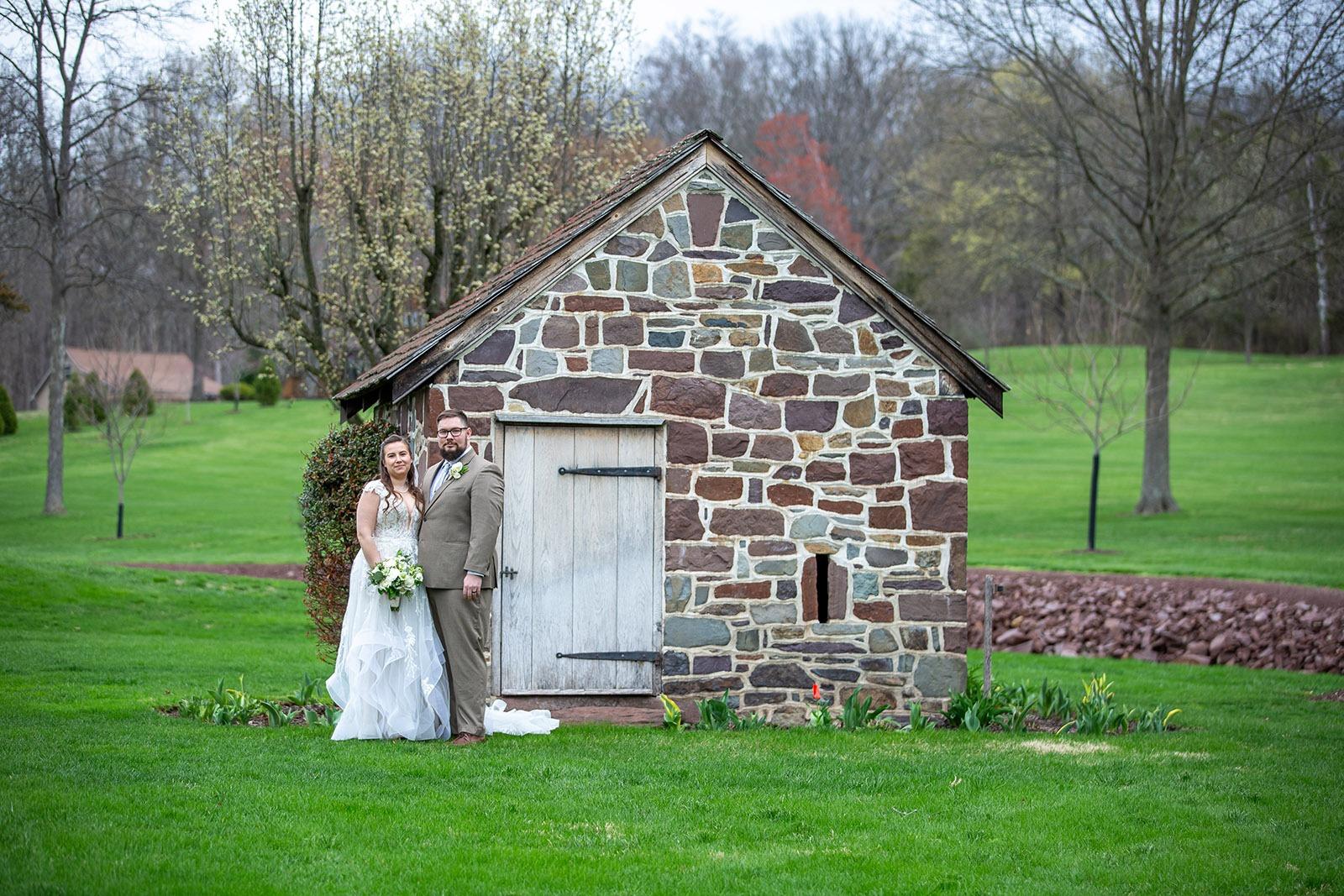
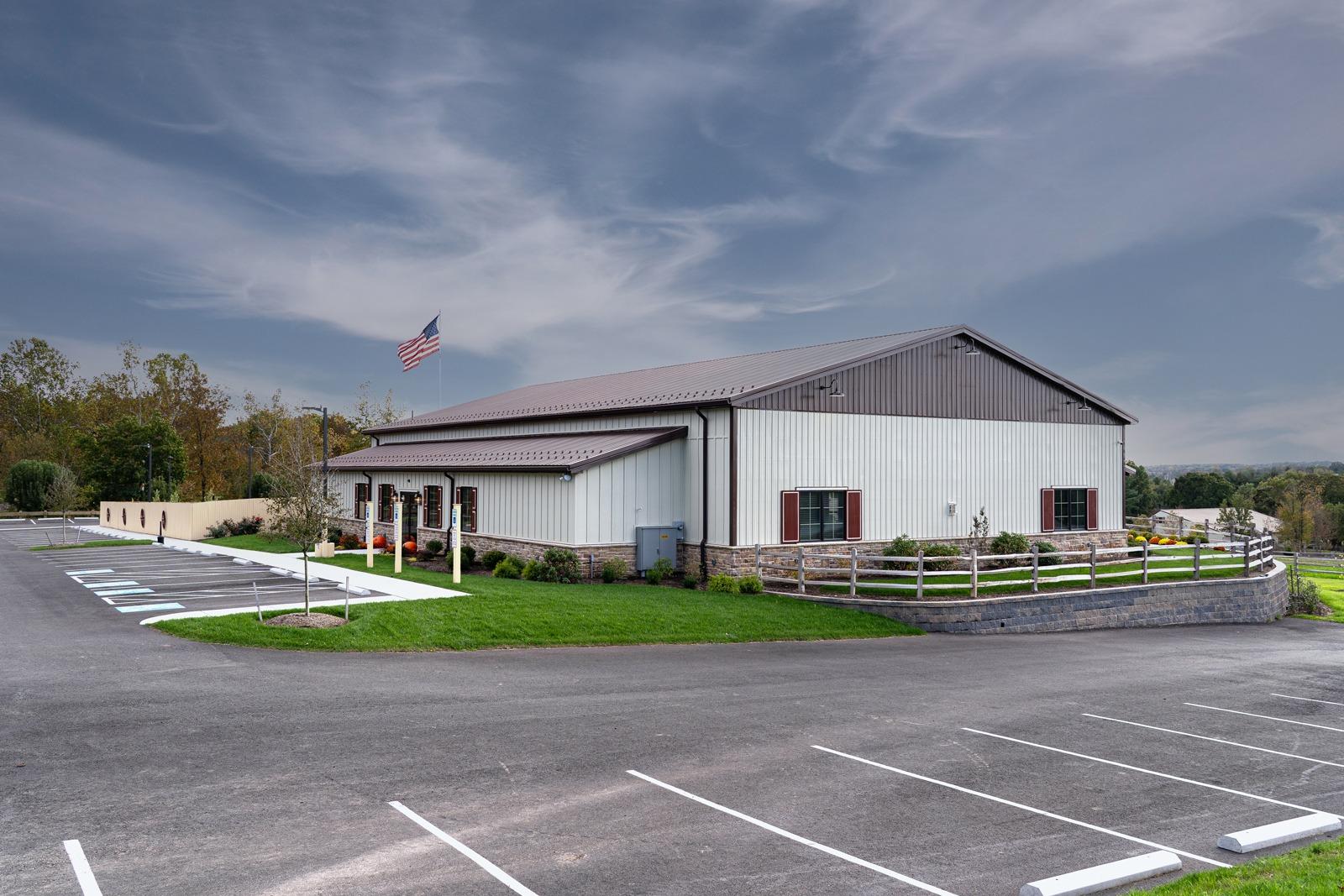
See where your day could happen.
Come walk the 24-acre estate in Pennsburg. Private tours run Tuesday through Saturday by appointment.
Related
Keep reading.
Timeline & Process
12-Month Wedding Planning Timeline
Month-by-month checklist from engagement to honeymoon.
Read the guideTimeline & Process
21 Questions to Ask Every Wedding Venue
The right questions for the tour: what to bring, what to confirm, what to negotiate.
Read the guideTimeline & Process
Pennsylvania Marriage License Guide
How to apply, where, what it costs, and how long it takes.
Read the guide