Community Events Are the Infrastructure of Connection
In an era of screens and isolation, community events are more important than ever. They create the face-to-face interactions that build trust, friendship, and a sense of belonging. A well-run community event doesn't just entertain. It gives people a shared experience that makes them feel like they're part of something larger.
The planning is straightforward if you follow a structure. Here's the framework.
Types of Community Events
- Festivals and fairs: Music, food, vendors, and activities. Full-day events that draw large crowds.
- Fundraisers: Events with a charitable purpose. Galas, walks, auctions, or benefit concerts.
- Cultural celebrations: Heritage festivals, art walks, and cultural showcases.
- Seasonal events: Holiday markets, fall festivals, spring garden tours, summer concerts.
- Educational events: Workshops, speaker series, history tours, and demonstrations.
- Recreational events: 5K runs, bike rides, fishing derbies, and outdoor adventure events.
Step 1: Define the Purpose
Every successful community event starts with a clear "why." Is this event to:
- Raise money for a specific cause?
- Celebrate a holiday or cultural tradition?
- Build community connections?
- Support local businesses and artisans?
- Provide entertainment and recreation?
The purpose shapes every decision that follows: budget, venue, marketing, and programming.
Step 2: Build a Team
No one person should plan a community event alone. Build a committee with responsibility areas:
- Venue and logistics
- Programming and entertainment
- Vendors and food
- Marketing and communications
- Volunteer coordination
- Finance and sponsorships
Step 3: Choose the Venue
Community events need space, infrastructure, and character. Consider:
- Capacity: How many people do you expect? Plan for 20 percent more.
- Accessibility: ADA compliance, parking, public transportation access.
- Facilities: Restrooms, power, water access, and shade or shelter.
- Permitting: Public spaces may require event permits, noise permits, and insurance.
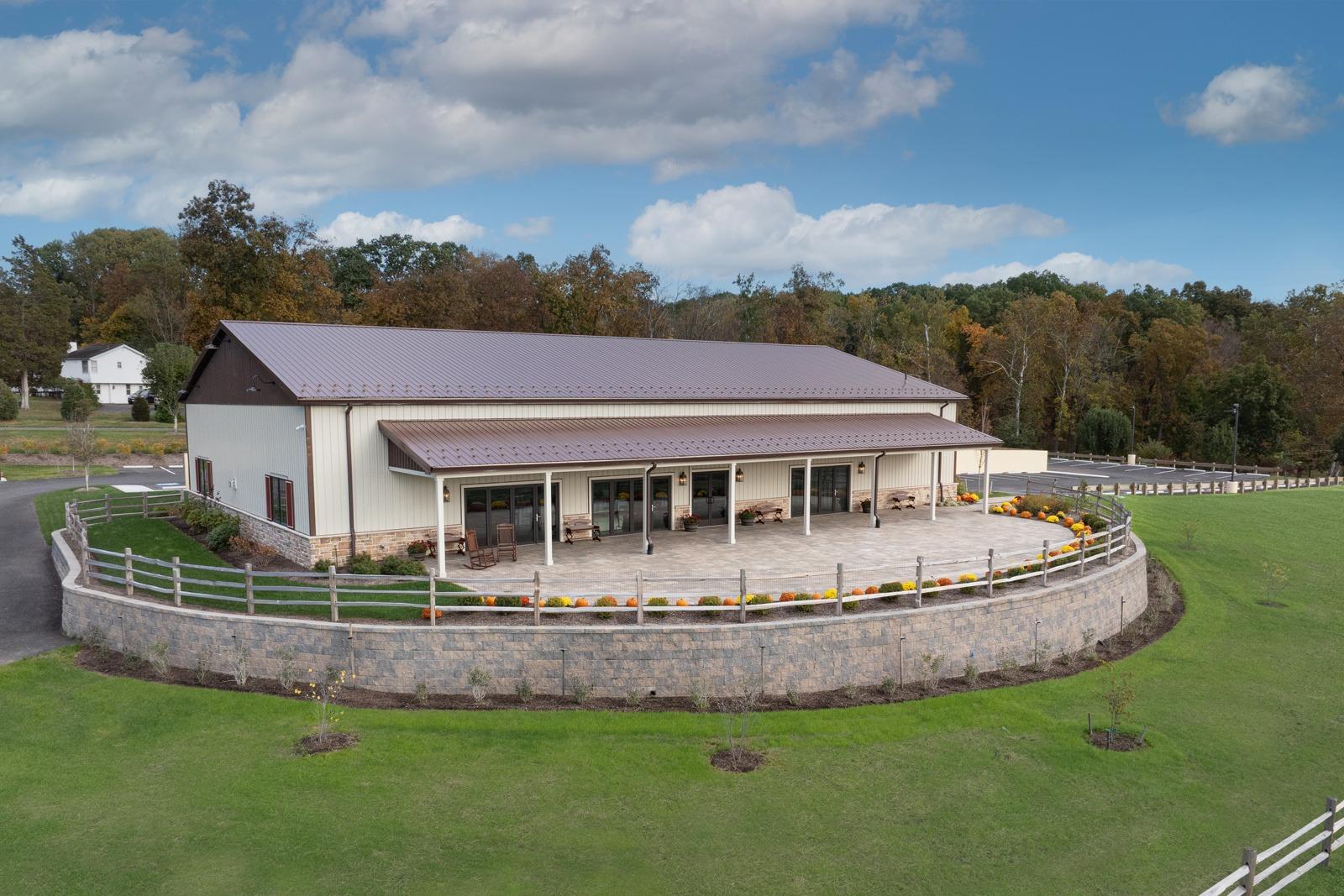
The Museum at Hoppenville in Pennsburg, PA has hosted community events on its 24-acre property. The combination of indoor venues (Bank Barn, Welcome Center) and outdoor space makes it versatile for festivals, markets, fundraisers, and cultural events.
Step 4: Secure Funding
- Sponsorships: Local businesses sponsor events for visibility and community goodwill. Create tiered sponsorship packages.
- Vendor fees: If the event includes vendors, booth fees offset costs.
- Admission: Free events draw larger crowds. Paid events ($5 to $15) generate revenue but reduce attendance.
- Grants: Some events qualify for tourism, arts, or community development grants.
Step 5: Program the Event
A good program provides something for everyone and creates a natural flow:
- Opening activity or ceremony
- Main programming (performances, demonstrations, competitions)
- Food and refreshments available throughout
- Activities for children
- Quiet areas for conversation and rest
- A closing moment (raffle drawing, final performance, announcement)
Step 6: Recruit and Manage Volunteers
- Recruit 2 to 3 times more volunteers than you think you need (50 percent will cancel)
- Assign specific roles with start and end times
- Brief all volunteers before the event
- Provide volunteers with water, food, and a thank-you gift
Step 7: Promote
- Social media (start 6 to 8 weeks before)
- Local newspapers and community calendars
- Flyers at local businesses
- Email to community lists
- Partner organizations' channels
After the Event
- Thank sponsors, volunteers, and vendors publicly
- Survey attendees for feedback
- Document everything: photos, attendance, budget actuals, lessons learned
- Start planning the next one while momentum is high
Partner with The Museum at Hoppenville
The Museum at Hoppenville in Pennsburg, PA welcomes community events that align with our mission of preserving and celebrating regional heritage. Contact us to discuss how our property can support your next community gathering.
