Pennsylvania's History Is Your Wedding Backdrop
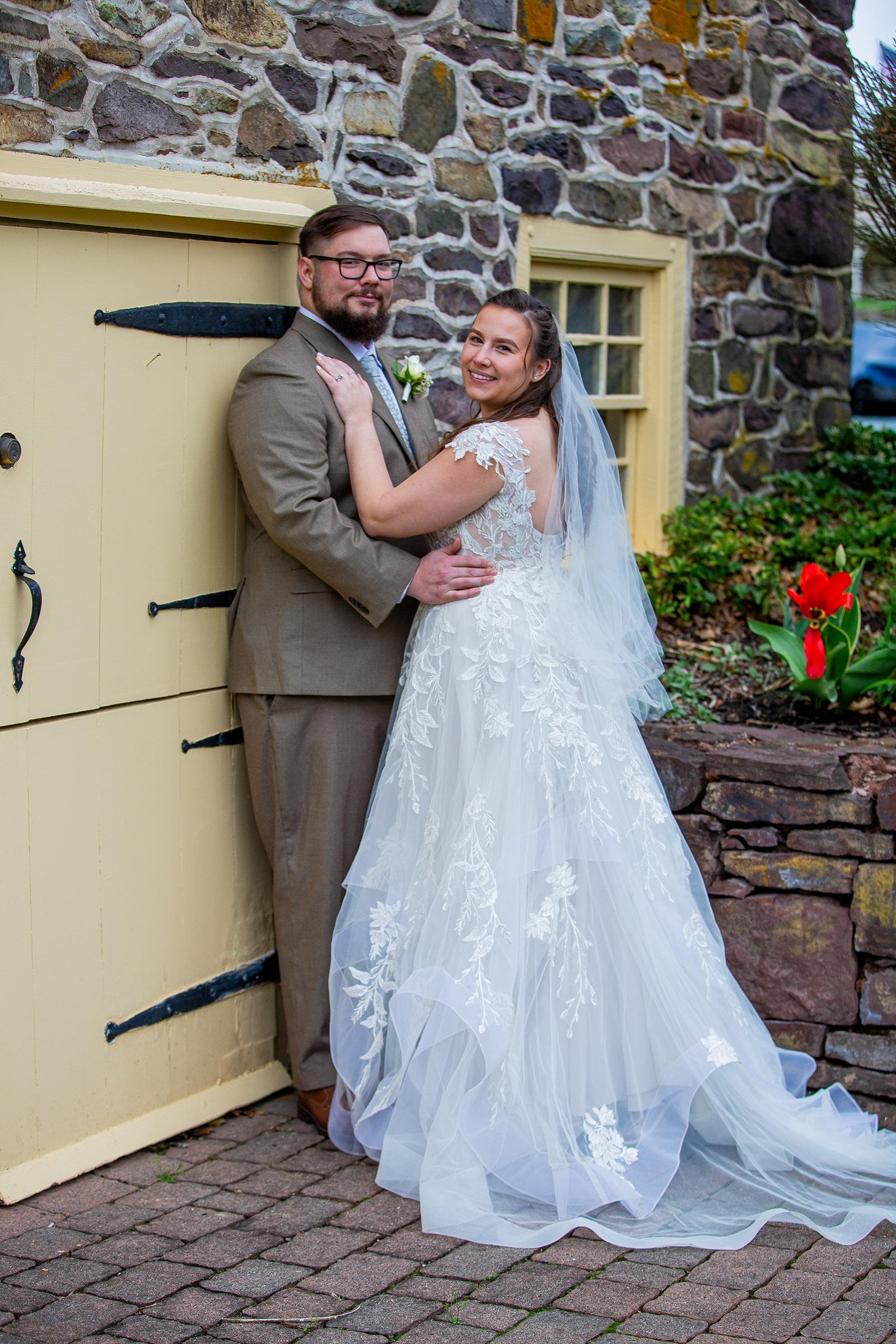
Pennsylvania has been building things since the 1600s, and many of those buildings still stand. Stone farmhouses, gristmills, ironworks, barns, and manor houses dot the landscape from the Delaware Valley to the Alleghenies. When these structures are preserved and repurposed as event spaces, they bring something no modern venue can replicate: genuine age, character, and stories embedded in the walls.
A historic venue doesn't just look different in photos. It feels different. Guests notice hand-cut stone, wide-plank floors, and ceilings built from timbers that were trees when the Constitution was signed. That kind of atmosphere sets a tone that no amount of decoration can manufacture.
What Qualifies as a Historic Wedding Venue
For the purposes of this guide, we're talking about venues where the primary event space occupies a building that is at least 100 years old, or where the property has documented historical significance. These aren't replicas or "historic-style" builds. They're the real thing, adapted for modern celebrations.
Best Historic Wedding Venues Across Pennsylvania
The Museum at Hoppenville (Pennsburg)
The Museum at Hoppenville sits on 24 acres that have been part of the Upper Perkiomen Valley's story for over 300 years. The property's buildings include structures from the 1700s, and the Bank Barn that serves as the primary reception space carries the weight and warmth of centuries of agricultural use. Stone foundations, hand-hewn beams, and thick barn walls give the space a solidity that modern construction doesn't achieve.
Beyond the barn, the museum grounds themselves tell a story. The property preserves the area's industrial and agricultural heritage through its collections and buildings. Couples who marry here aren't just renting a venue; they're borrowing a piece of Pennsylvania history for a day.
Appleford Estate (Villanova)
Built in 1928 on the Main Line, Appleford is a Georgian Revival mansion set on 22 acres of gardens and grounds managed by the Lower Merion Conservancy. The estate's formal gardens, reflecting pool, and stone terrace provide ceremony settings with a refined elegance.
Bolingbroke Mansion (Radnor)
This Federal-style manor house dates to 1769 and offers a more intimate scale than larger estate venues. The property's historical pedigree is impeccable, and the grounds include mature trees and traditional gardens.
Cliveden of the National Trust (Germantown)
A National Historic Landmark, Cliveden was built in 1767 and served as the site of the Battle of Germantown during the Revolutionary War. The property offers its grounds for weddings, giving couples a setting that is literally part of American history.
The Michener Art Museum (Doylestown)
Housed in the former Bucks County Prison (built 1884), the Michener Museum's courtyards and galleries provide a unique wedding setting. The juxtaposition of art, architecture, and the building's storied past creates a conversation-starting atmosphere.
Fonthill Castle (Doylestown)
Henry Mercer's concrete castle, built between 1908 and 1912, is one of the most visually extraordinary buildings in Pennsylvania. The castle's tile-covered interior and grounds offer a wedding experience unlike anything else in the state.
The Old Mill at Rose Valley (Rose Valley)
This Delaware County venue occupies a stone mill building from the 1700s. The mill's interior has been thoughtfully restored, preserving the original stonework and heavy timber while adding modern lighting and climate control.
Rock Ford Plantation (Lancaster)
The 1794 home of Revolutionary War General Edward Hand, Rock Ford sits on the banks of the Conestoga River. The Georgian-style mansion and surrounding parkland offer a historically significant setting for ceremonies and receptions.
What to Consider When Booking a Historic Venue
Historic venues are wonderful, but they come with considerations that newer spaces don't:
- Structural limitations: Historic buildings may have weight limits for dance floors, restrictions on hanging decor from beams, or rooms that don't accommodate modern sound systems well.
- Accessibility: Older buildings weren't designed with ADA compliance in mind. Ask about ramps, elevators, accessible restrooms, and ground-level entry points.
- Temperature control: Some historic venues rely on natural ventilation or supplemental heating rather than central HVAC. Ask what the climate control situation is for your season.
- Preservation rules: Properties on the National Register of Historic Places or managed by preservation societies may have restrictions on decorations, open flames, or alterations to the space.
- Noise and curfews: Historic properties in residential neighborhoods often have strict noise ordinances and early end times.
Why History Matters for Your Wedding
A wedding is the start of your own history as a couple. Holding that celebration in a place that has witnessed generations of human stories adds a layer of meaning that a hotel ballroom simply can't provide. When your grandchildren see your wedding photos, the venue won't look dated. It will look timeless, because it already was.
The Museum at Hoppenville has been part of Pennsylvania's story for over three centuries. If you'd like to make it part of yours, contact us to schedule a tour of the property. Walk the grounds, step inside the Bank Barn, and feel the history for yourself.
