The Guest List Is the Hardest Part
Most couples invite between 75 and 150 people, and the national average lands near 130 guests. The right number for you comes from two figures: what you can spend per guest and what the room holds. Work backward from those and the guest list stops being a fight and becomes arithmetic. Here is the method, with the ranges that define a micro, small, medium and large wedding.
Average Wedding Sizes
For context, here's where most weddings fall:
- Micro wedding: 10 to 30 guests
- Small wedding: 30 to 75 guests
- Medium wedding: 75 to 150 guests
- Large wedding: 150 to 250 guests
- Very large wedding: 250+ guests
The national average is approximately 130 guests, though this varies significantly by region and culture.
Start with the Budget
The most practical way to determine guest count is to work backward from your budget. Here's the formula:
Total budget minus fixed costs (venue, photographer, dress, flowers, DJ) = variable budget
Variable budget divided by cost per guest (food, drink, rentals, favors) = maximum guest count
In Pennsylvania, the average cost per wedding guest ranges from $100 to $300, depending on the menu, bar, and service level. If your variable budget is $20,000 and your per-guest cost is $150, your maximum is approximately 133 guests.
The Tier System
Create your guest list in tiers before finalizing:
Tier 1: Must Invite (Non-Negotiable)
Immediate family, closest friends, and people who would be deeply hurt by exclusion. This is your core list. If you could only invite these people, would you still feel like everyone important was there?
Tier 2: Should Invite
Extended family you're close to, friend groups, and people you see regularly. These guests add warmth and energy to the event.
Tier 3: Could Invite
Distant relatives, work acquaintances, friends you haven't seen in years, and "reciprocal" invites (they invited you to their wedding). These are the first to go if the list needs trimming.
Common Guest List Dilemmas
Plus-Ones
Married and engaged couples always get a plus-one. For single guests, the standard is: if they won't know anyone else at the wedding, offer a plus-one. If they're part of a friend group that's all invited, it's acceptable to not offer one.
Children
This is entirely your choice. Options: all children welcome, no children, or children of immediate family only. Whatever you decide, be consistent and communicate clearly on the invitation.
Work Colleagues
You are not obligated to invite coworkers. If you do, invite the whole team or none. Selective office invitations create workplace tension.
Parents' Guests
If parents are contributing financially, they typically get input on 20 to 30 percent of the guest list. Set this expectation early and agree on a number.
The Decline Rate
Expect 15 to 25 percent of invited guests to decline. For destination or long-distance guests, the decline rate can be 30 to 40 percent. Factor this into your planning: if your venue holds 150 and you want 130 at the event, you can safely invite 155 to 165.
Venue Capacity Matters
Every venue has a maximum capacity. This is a hard ceiling, not a suggestion. Confirm the capacity includes space for the dance floor, band/DJ setup, and service staff, not just chairs.
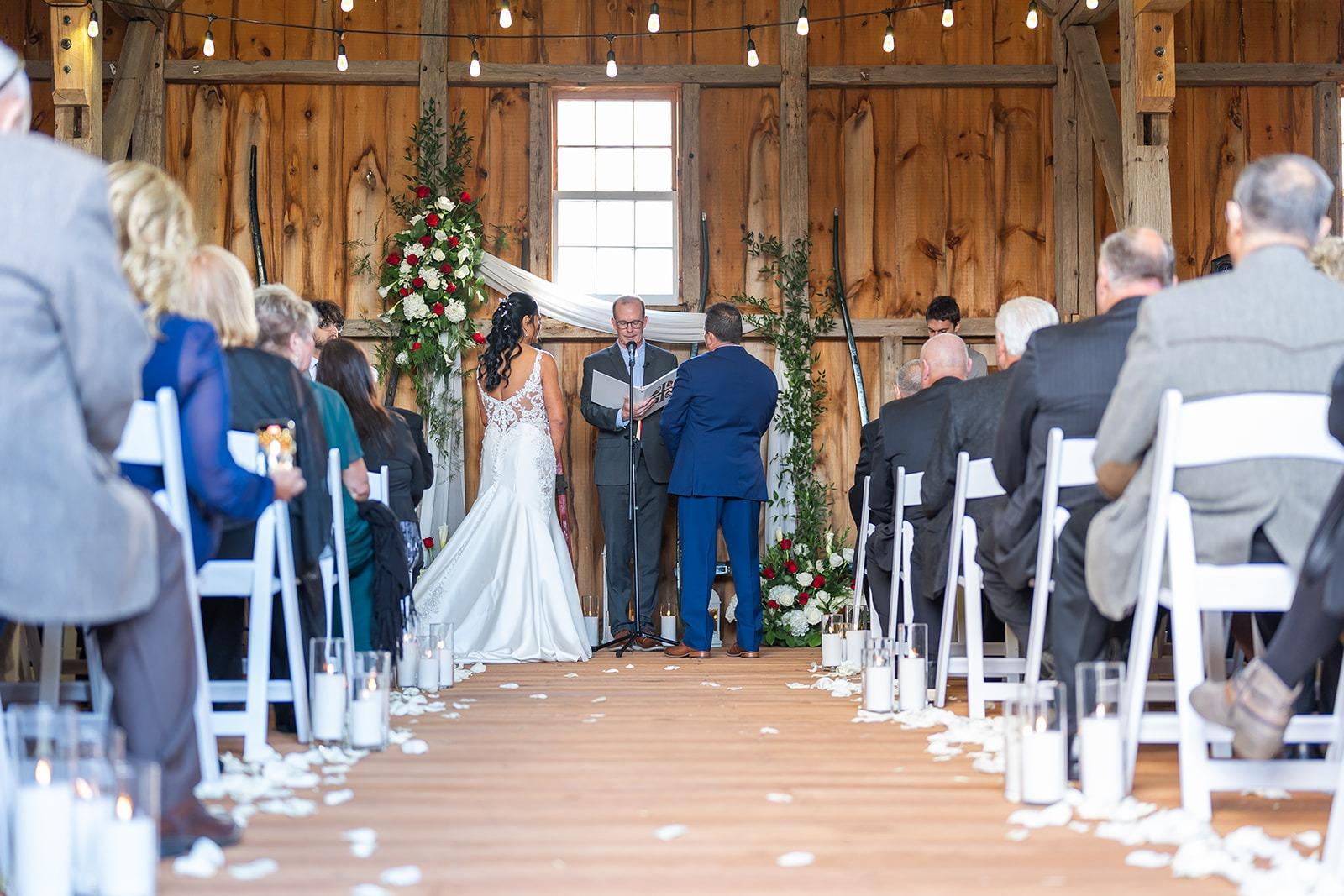
The Museum at Hoppenville offers flexible capacity: The Bank Barn accommodates up to 200 guests for seated dinner and dancing, The Cottage accommodates up to 50 for intimate celebrations, and the outdoor ceremony areas can handle groups of any size.
Contact us to discuss which spaces fit your guest count and vision.
Plan your event
Ready to start a conversation?
Our events team can walk you through available dates, pricing, and all three venues on the estate.
Contact our events teamSee our wedding calendar