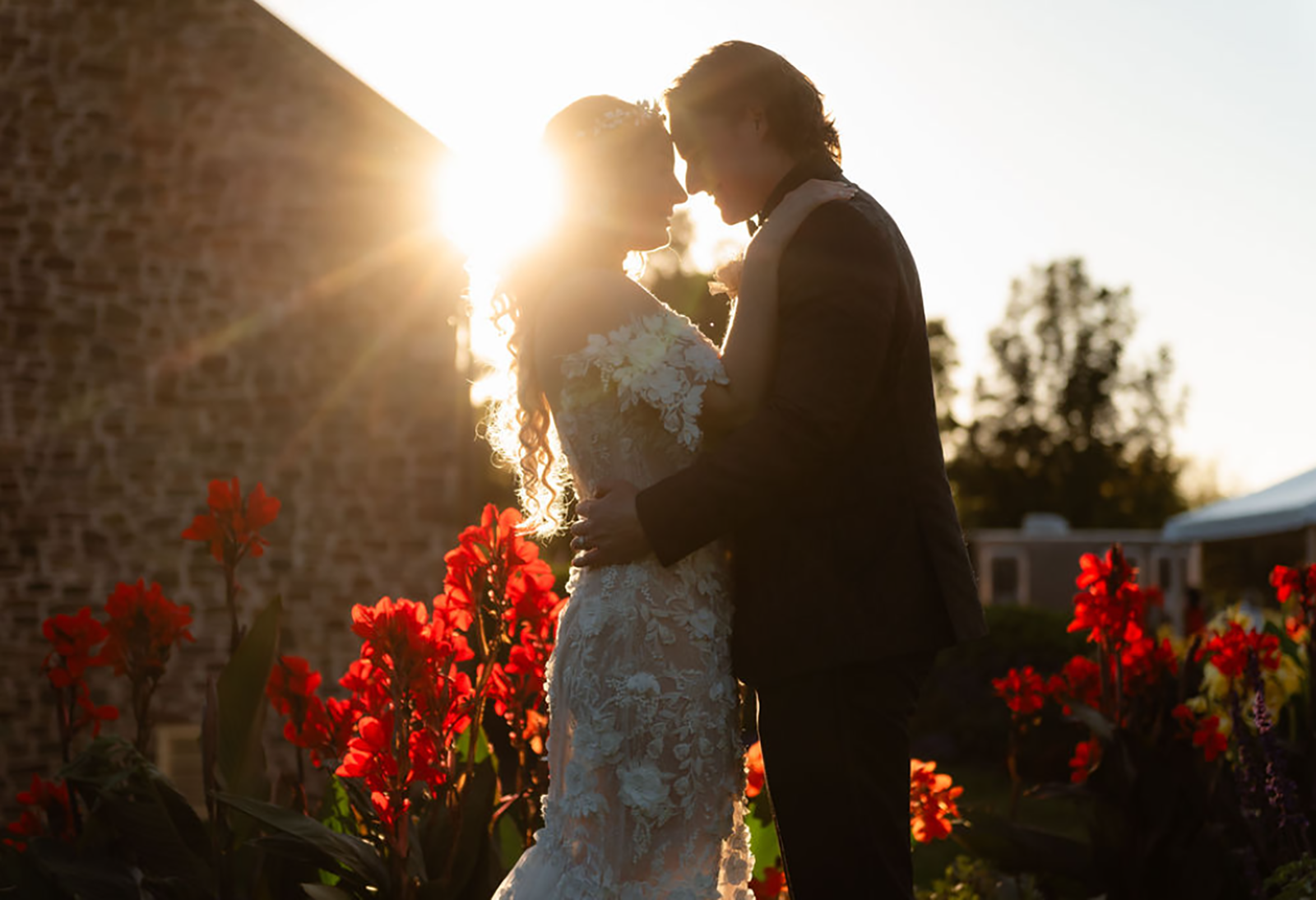
Getting Started: The First Decisions
You said yes. You shared the news. And now you're staring at a blank page wondering where to start. That feeling is completely normal. Wedding planning is project management with emotions attached, and nobody teaches you how to do it.
Here's the truth that simplifies everything: wedding planning is a sequence of decisions, and most of those decisions follow a logical order. You can't pick centerpieces before you know your venue, and you can't know your venue before you know your budget. Follow the sequence, and the process becomes manageable.
Step 1: Set Your Budget (Month 1)
Before anything else, know what you can spend. This number drives every other decision.
- List your funding sources: Your savings, family contributions (confirmed, not assumed), and anything you plan to save between now and the wedding.
- Set a hard ceiling: This is the maximum you will spend, period. It should make you slightly uncomfortable, because it should include a buffer for surprises.
- Allocate by category: A typical breakdown is 40 to 50 percent on venue and catering, 10 to 15 percent on photography, 8 to 10 percent on music, 8 to 10 percent on flowers and decor, and the rest split among attire, invitations, transportation, and incidentals.
Step 2: Build Your Guest List (Month 1)
Your guest count determines your venue options, your catering costs, and the overall scale of your wedding. Start with a rough number:
- Each partner makes a list independently.
- Merge the lists and categorize: must-invite, want-to-invite, nice-to-invite.
- Your must-invite list sets the minimum. Your budget sets the maximum.
- Remember: every guest adds $100 to $250 to your total cost (food, drink, rental, favors).
Step 3: Choose Your Venue (Months 1 to 3)
The venue is the single biggest decision because it determines the date, the guest count, the catering approach, and the overall aesthetic of your wedding.
- Visit at least three venues to calibrate your expectations and preferences.
- Ask the right questions: What's included? What's the rain plan? Are there noise restrictions? What are the overtime fees?
- Book the date: Once you've chosen a venue, secure your date with a deposit. Popular venues book 12 to 18 months ahead for peak season.
If you're considering a venue in the Upper Perkiomen Valley area, The Museum at Hoppenville offers three distinct spaces for different wedding sizes: the Bank Barn (up to 200), the Welcome Center, and The Cottage (up to 50). All on 24 acres of grounds with multiple ceremony locations.
Step 4: Book Priority Vendors (Months 2 to 6)
After the venue, book these vendors in this order (because they sell out fastest):
- Photographer: Good photographers book 12+ months out. Interview at least two and look at full wedding galleries, not just highlight reels.
- Caterer: If your venue doesn't include catering. Schedule tastings with two or three options.
- DJ or band: Music sets the energy of your reception. Book early, especially for fall dates.
- Florist: If flowers are a priority for you. Share your venue photos so they can design around the space.
- Officiant: Clergy, a judge or magisterial district judge, a mayor, or a friend who gets ordained. Confirm they're available for your date and licensed in your state.
Step 5: Handle the Paperwork (Months 3 to 6)
- Marriage license: In Pennsylvania, apply at the county courthouse at least two weeks before the ceremony (Pennsylvania requires a three-day waiting period between applying and the license taking effect). The license is valid for 60 days.
- Name change planning: If either of you is changing your name, research the process now so you can hit the ground running after the wedding.
- Insurance: Consider event liability insurance, which typically costs $100 to $300 and protects against weather cancellations, vendor no-shows, and property damage.
Step 6: Design the Details (Months 6 to 9)
Now that the big decisions are locked in, you can focus on the details that make the wedding yours:
- Invitations: Send save-the-dates six to eight months before the wedding, formal invitations six to eight weeks before.
- Attire: Wedding dresses often need four to six months for ordering and alterations. Suits and tuxedos need less lead time but should be finalized three months out.
- Decor: Work with your florist and venue to plan centerpieces, ceremony decorations, and lighting.
- Wedding party: Ask your attendants, discuss expectations (financial and otherwise), and plan fittings.
Step 7: Finalize Everything (Months 9 to 12)
- Confirm all vendor contracts: Call each vendor to reconfirm date, time, location, and deliverables.
- Create the day-of timeline: Build a minute-by-minute schedule from getting ready through the last dance. Share it with every vendor.
- Rehearsal dinner: Book the venue, finalize the guest list (wedding party, immediate family, out-of-town guests).
- Seating chart: Wait until you have final RSVPs, then arrange guests thoughtfully.
- Final walkthrough: Visit your venue two weeks before the wedding to confirm layout, review the timeline on-site, and address any last questions.
Step 8: The Week Of
- Confirm final headcount with caterer and venue.
- Prepare vendor payments and tips (cash in labeled envelopes).
- Delegate day-of responsibilities to your wedding party or coordinator.
- Pack an emergency kit: safety pins, stain remover, pain reliever, phone charger, snacks.
- Take a breath. You've done the work. Now enjoy it.
You Don't Have to Figure This Out Alone
If you're in the early stages of planning and want to see what a venue looks like in person, start there. Visiting a venue makes everything more concrete and helps you make decisions faster.
The Museum at Hoppenville offers private tours where we walk you through the property, answer every question on your list, and help you imagine how your wedding day could unfold across our 24 acres. Schedule a visit to take the first real step.
