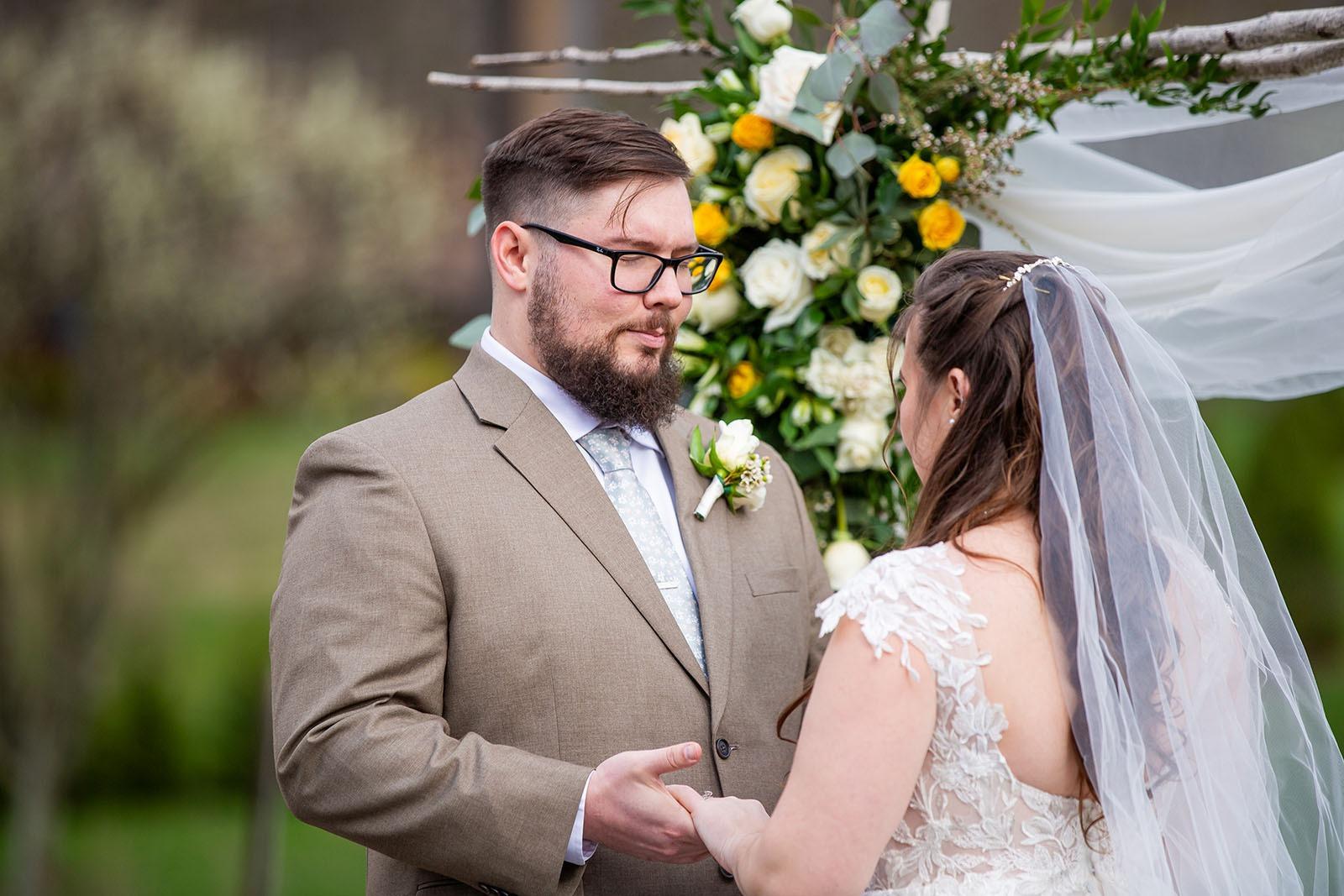
Two Traditions, One Wedding
Interfaith and multicultural weddings are increasingly common and increasingly beautiful. Blending two traditions creates a ceremony that's richer and more meaningful than either alone. But it also requires more planning, more communication, and more sensitivity to family expectations.
The goal isn't to choose one tradition over the other. It's to create something new that honors both.
Starting the Conversation
With Each Other
Before involving families, the couple should discuss:
- Which traditions from each faith or culture are most important to you?
- Are there any traditions that are non-negotiable?
- Are there any traditions you want to leave out?
- How religious or cultural do you want the ceremony to be?
- What role do your families' expectations play in your decision?
With Families
Once the couple is aligned, have honest conversations with families:
- Share your vision before asking for input
- Acknowledge the importance of their traditions
- Be clear about what's decided and what's open for discussion
- Set boundaries kindly but firmly
Choosing an Officiant
The officiant is the most important decision for an interfaith ceremony:
- Two officiants: One from each tradition co-officiate. This is the most inclusive approach but requires two people who are comfortable sharing the ceremony.
- An interfaith minister: Clergy specifically trained in interfaith ceremonies who can incorporate elements of both traditions.
- A secular officiant: A judge or magisterial district judge, a mayor, or a friend (Pennsylvania also allows self-uniting marriage) who creates a non-religious ceremony with cultural elements.
- One religious officiant who is open-minded: Some clergy from one tradition are willing to incorporate elements of the other.
Blending Ceremony Elements
Christian and Jewish
- Chuppah (Jewish canopy) with Christian readings
- Breaking of the glass (Jewish) following exchange of vows and rings (shared tradition)
- Seven blessings (Jewish) alongside Christian prayers
- Ketubah (Jewish marriage contract) and unity candle (Christian)
Hindu and Western
- Mandap ceremony (Hindu canopy) followed by Western-style reception
- Saptapadi (seven steps, Hindu) alongside personal vows
- Henna/mehndi pre-wedding celebration alongside bridal shower
- Garland exchange (Hindu) and ring exchange (Western)
General Blending Strategies
- Alternate elements from each tradition throughout the ceremony
- Use readings from both traditions' texts
- Incorporate music from both cultures
- Dress elements from both traditions (one outfit for ceremony, another for reception, or a fusion design)
- Food from both cultures at the reception
Venue Considerations
Interfaith weddings work best in non-denominational venues:
- Outdoor settings that belong to no religious tradition
- Barns, estates, and museums that provide a neutral backdrop
- Venues with flexible layouts that can accommodate various ceremony structures
The Museum at Hoppenville in Pennsburg, PA provides a non-denominational, flexible setting that accommodates every tradition. Our outdoor ceremony spaces and the Bank Barn's neutral, beautiful interior allow couples to create any ceremony format. We welcome and celebrate weddings of all faiths and cultural backgrounds.
Reception Blending
- Food stations featuring cuisines from both cultures
- Music that spans both traditions (DJ can alternate; live musicians can learn specific songs)
- Dance traditions from both cultures (hora, garba, etc.)
- Decor that incorporates colors and motifs from both traditions
The Guiding Principle
The best interfaith and multicultural weddings share a common approach: they focus on what the traditions have in common (love, family, commitment, community) while celebrating what makes each one unique. When in doubt, lead with love and mutual respect.
