The Rise of Artisan Markets
Craft fairs and artisan markets have transformed from church-basement affairs into curated shopping experiences that draw hundreds or thousands of visitors. The best ones feel like a community event and a shopping destination rolled into one: local food, live music, handmade goods, and a venue that makes the whole experience feel intentional.
If you're organizing a market, the venue is the foundation everything else builds on.
Choosing a Venue
The ideal market venue offers:
- High visibility and easy access: Venues on busy roads or near towns with foot traffic draw more visitors.
- Ample parking: Shoppers come with cars and leave with goods. Parking can't be an afterthought.
- Indoor and outdoor space: The best markets flow between covered and open-air areas. Rain shouldn't cancel the event.
- Power access: Vendors who make food, run lights, or charge card readers need electricity.
- Restrooms: Public restrooms for hundreds of visitors. Portable options if the venue's capacity is limited.
- Character: A barn, farm, historic property, or garden provides atmosphere that a parking lot doesn't.
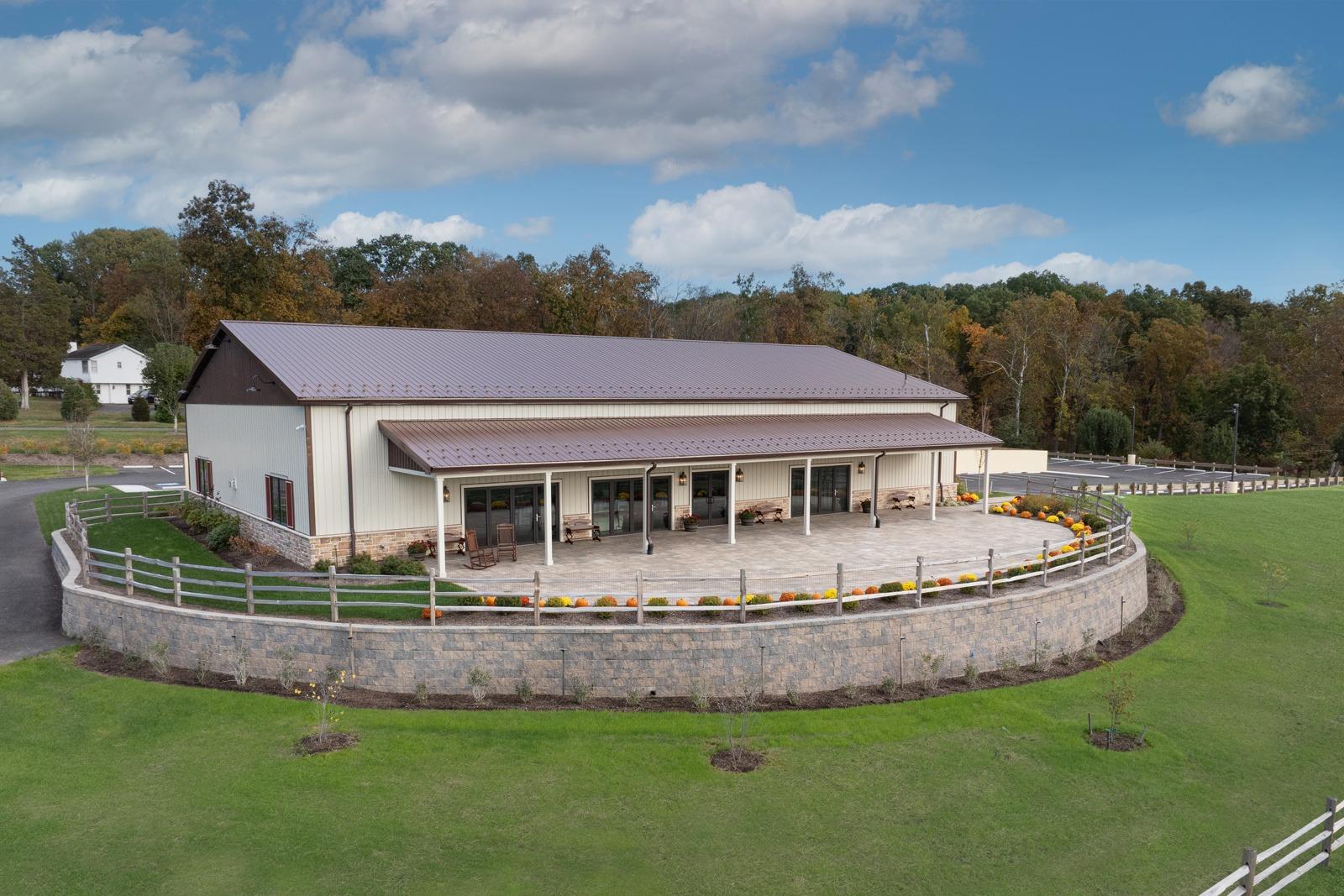
The Museum at Hoppenville in Pennsburg, PA offers 24 acres with the Bank Barn, Welcome Center, outdoor grounds, and parking capacity for hundreds of visitors. The historic setting provides the atmosphere that makes a market feel special.
Vendor Management
Recruiting Vendors
- Post applications on social media, local maker groups, and artisan networks
- Curate the vendor mix: avoid too many of the same product type
- Include a mix of goods (handmade products, food vendors, vintage/antique, specialty items)
- Set a jury or review process to maintain quality
Vendor Fees
- Indoor booth (8x8 or 10x10): $50 to $150
- Outdoor booth: $30 to $100
- Food vendor spot: $75 to $200 (includes power access)
- Premium or corner spots: 25 to 50 percent markup
Vendor Communication
- Send a vendor packet with setup times, rules, map, and load-in instructions
- Assign booth numbers and locations in advance
- Communicate weather contingency plans
- Require vendors to stay until closing time (early pack-ups hurt everyone)
Marketing the Market
- Social media: Feature individual vendors in the weeks leading up. Tag them so their audiences see it.
- Local press: Send a press release to local newspapers, blogs, and community calendars.
- Signage: Yard signs along main roads 2 weeks before the event.
- Email list: Build and use an email list of past attendees. This becomes your most valuable marketing asset over time.
Day-of Logistics
- Volunteer team for setup, directional signage, and crowd management
- Clear directional signage from parking to the market entrance
- Music (live acoustic or a curated playlist) to set atmosphere
- A food area separate from shopping areas to reduce congestion
- A map posted at the entrance showing vendor locations
- Cash-free options: most vendors now use Square or similar, but have an ATM available
Revenue Model
- Vendor fees cover venue rental and basic costs
- Food vendor percentage (10 to 15 percent of sales) provides additional revenue
- Admission fee (optional, $2 to $5 per person) works if the market is established and high-quality
- Sponsorships from local businesses for additional revenue and community connection
Host a Market at The Museum at Hoppenville
The Museum at Hoppenville's 24-acre property in Pennsburg, PA provides indoor and outdoor market space, parking, and the historic atmosphere that elevates a craft fair from shopping to experience. Contact us about hosting seasonal or recurring markets on the property.
